
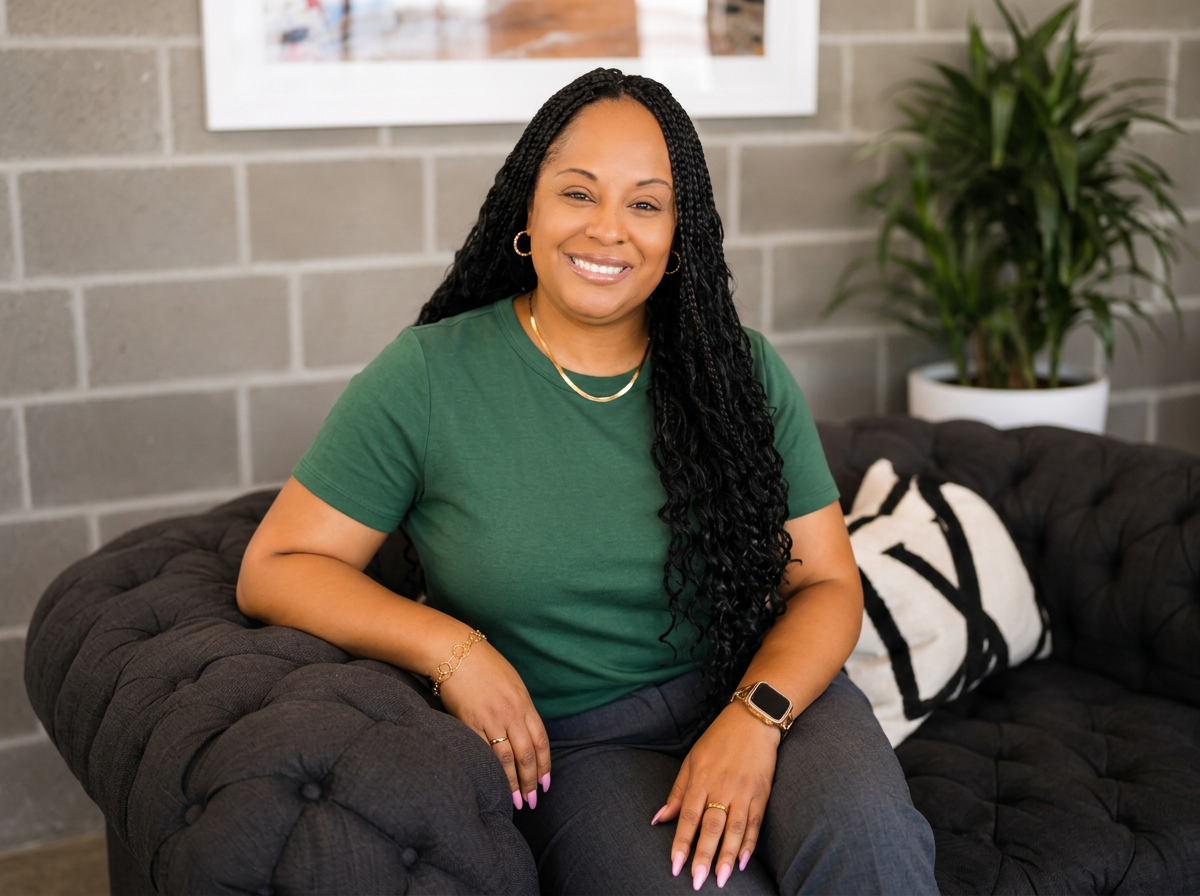
The Clinician’s Workroom
A space for the work behind the work.
Being a good clinician requires more than knowing the right intervention.
We bring our training into the room, but we also bring our patterns, assumptions, experiences, capacity, reactions, and ways of responding under pressure. All of it can influence how we listen, make decisions, hold boundaries, pace the work, and remain present with the people we serve.
The Clinician’s Workroom is a place to examine that part of the work.
Through professional education, experiential trainings, consultation, and developing clinical frameworks, I create spaces where clinicians can slow down, think more deeply about their practice, and strengthen both how they understand the person in front of them and how they show up in the room.
Training & Workshops
Clinical learning that makes room for the clinician, too.
Clinical training often focuses on what to do with the client.
The Workroom also asks us to consider what is happening within the clinician, between the
clinician and client, and within the systems surrounding the work.
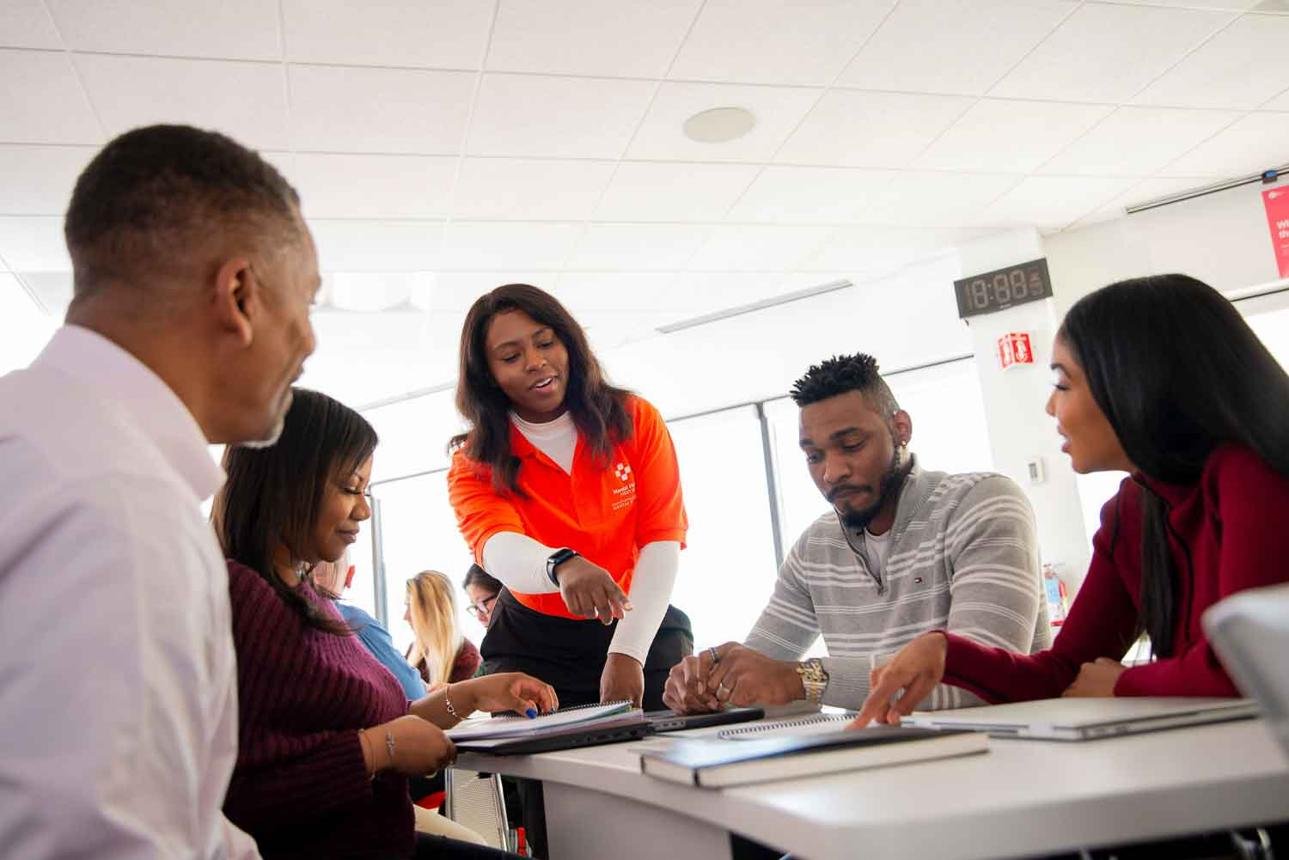
Trainings are experiential, reflective, and clinically grounded. Depending on the topic, participants may
examine their own responses under pressure, explore the patterns influencing clinical decision-making,
work through real-world practice challenges, and develop strategies they can carry back into their
everyday work.
Topics may include:
Clinician capacity and professional sustainability
Internal responses under pressure
Presence, boundaries, and pacing
Reflective practice and self-awareness
Personal patterns and adaptive responses that enter the clinical room
Cultural responsiveness and the clinician’s internal experience
Trauma-informed pattern recognition
Clinical decision-making beyond technique
Sustainable practice structures
Translating insight into day-to-day clinical practice
Trainings are available for conferences, organizations, clinical teams, and professional groups and can be offered as individual sessions or multi-part learning experiences.

Clinician Consultation
Sometimes clinicians need a place to think, too.
Consultation provides a one-on-one space to step outside the pace of clinical work and think more intentionally about what is happening in your practice.
That might include clinical presence, internal responses to difficult work, boundaries, pacing, professional capacity, recurring patterns, or questions about how you are approaching the work.
The goal isn’t to tell you how to be a therapist.
It’s to create room to notice what may be difficult to see when you’re in the middle of doing the work.
Private Practice Structure & Development
A practice can be clinically meaningful and still be structured in a way that leaves the clinician constantly reacting, catching up, or carrying too much.
This work examines the structure surrounding your clinical practice, scheduling, caseload, intake flow, boundaries, workload, and other systems that affect how you show up professionally.
Rather than relying on better time management or constantly trying to enforce boundaries after something has already become unsustainable, we look at how the practice itself can be structured differently.
Clinician sustainability isn’t only a personal responsibility. Sometimes the system needs to change, too.
Bring the Workroom to Your Organization
I can develop trainings, workshops, consultations, and professional learning experiences for conferences, clinical teams, behavioral health organizations, and other helping-professional settings.
If you’re looking for a training that makes clinicians think, not simply gives them another list of interventions, I’d love to hear what your group is working through.